I watched a timely discussion on climate-resilient assets led by Verena Arauz, featuring Brian Constantine and my professor, Sandra Britton, as part of CARICOM Energy Month’s webinar series.
I loved learning about the expansion of the EV market into the Caribbean, as well as Verena’s insights on the dilemma of high energy prices and weak grid infrastructure in a region that’s all too familiar with the brunt of climate disasters.
I’ve long known about Vehicle-to-Grid (V2G) technology, but I couldn’t help thinking about what a hurricane the scale of Melissa means for Jamaica and other Caribbean nations that are increasingly experiencing catastrophic storms.
While many Caribbean islands are rich in natural energy sources such as sun, wind, and water, when you’ve just endured loss, whether of infrastructure, your home, or even loved ones, clean energy integration isn’t the first thing on your mind. Still, sustainability, which is second nature in so many cultures of the Global South, can ultimately mean survival.
Climate disasters create cascading impacts across society, and not just as it relates to structural damage, but they also disrupt public infrastructure, particularly utilities, which in turn affects digital access, education, and youth development.
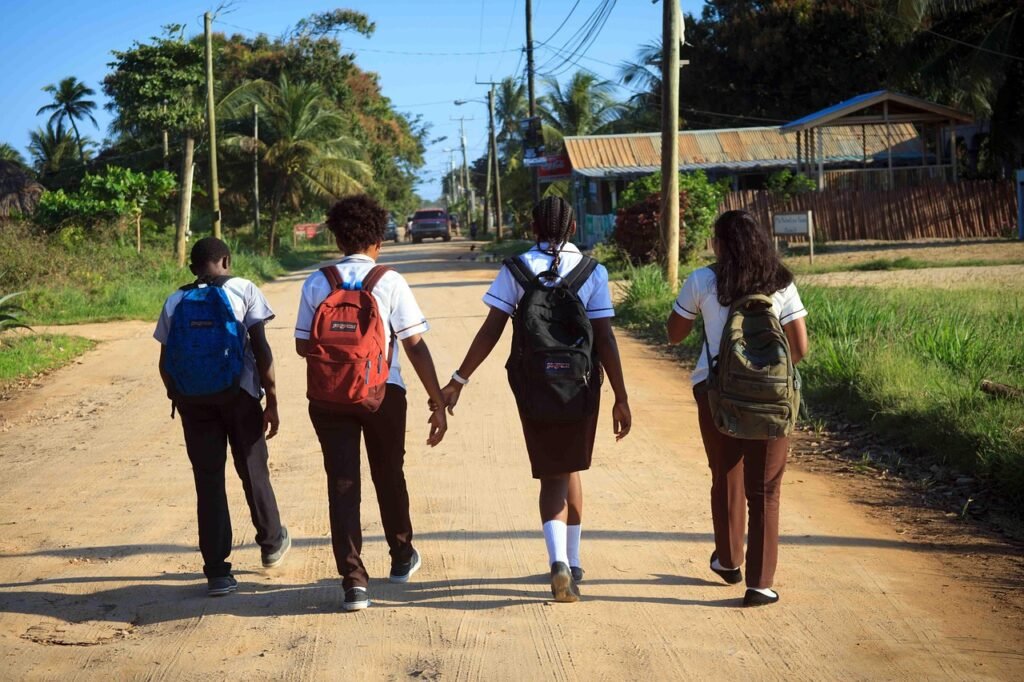
When schools can’t reopen or students lose access to technology or safe transportation, progress slows socially, academically, and economically.
To me, climate resilience should be the sum of both technical solutions (like V2G and renewable integration) and (equally important) nontechnical efforts, such as ensuring the educational continuity of the generations growing up amid these disasters. These young people will eventually be called on to rebuild their communities, yet their learning and opportunities are constantly being interrupted.
This isn’t just a Caribbean issue either; it’s increasingly true for coastal U.S. cities that face the same mounting pressures of rising sea levels and climate-driven displacement.
Resilience will look different everywhere, but the common thread is clear that alongside climate technology, we must invest in systems and planning that ensure societal continuity, especially through education.
As Jamaica and other affected nations continue to recover, I hope youth remain central to our conversations about resilience. They will live with the layered impacts of these disasters long after the power returns and the debris is cleared away.