
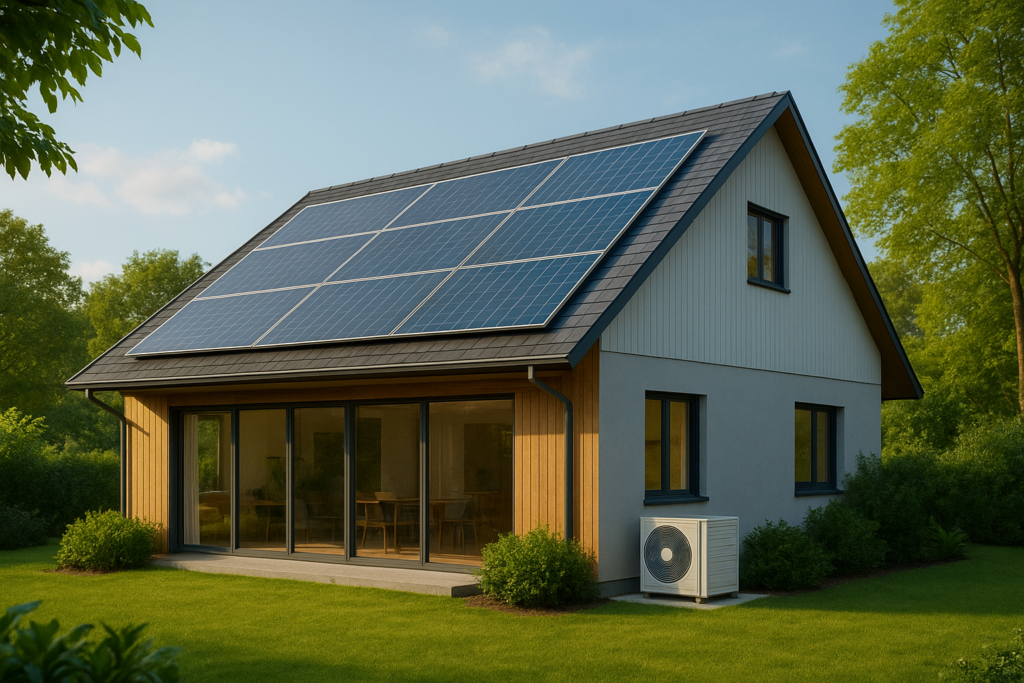
For this final excerpt from my midterm reflections, I wanted to focus on energy efficiency in the Caribbean — both in industry and residential buildings. The region faces challenges from outdated machinery and limited building standards, but thoughtful policies and regulations can drive meaningful improvements. Beyond reducing energy waste, these measures have significant economic benefits, freeing resources that can be reinvested into key sectors like tourism and national development.
At a high level, the Caribbean remains a developing region. As such, there is limited legal enforcement to ensure energy efficiency across key sectors such as industry and residential buildings.
In [some] industries, machinery and equipment might be old or outdated. This results in inefficient and, at times, wasteful energy use. In the residential sector, very few homes were built with insulation or designed with energy efficiency in mind, as building codes have not been consistently enforced across the region. This contributes to higher cooling needs and greater overall electricity consumption.
Improving energy efficiency could involve deploying more rooftop solar, designing homes to maximise natural light through modern glass technologies, and incorporating materials that reduce internal temperatures without compromising comfort. Although increased sunlight can raise cooling requirements, newer material-science innovations, such as reflective roofing and insulated concrete, can help mitigate excess heat.
From a regulatory perspective, Caribbean governments could implement policies requiring industries to phase out outdated equipment and mandate higher standards for building design and construction materials. Integrating energy efficiency at the planning stage of homes and facilities reduces future energy waste from air-conditioning, lighting, and appliances. Requiring smart metering across utilities would also improve monitoring, data collection, and targeted efficiency interventions.
Mandating energy efficiency comes along with many potential benefits. For one, greater energy efficiency reduces national electricity consumption, which lowers household electricity bills and eases the financial burden caused by the region’s heavy reliance on imported fuels. The savings generated could be reinvested into revenue-generating sectors such as tourism, renewable energy technologies, education, or workforce training. The other significant benefit that could come from increased regional energy efficiency relates to the environment.
Lower energy demand means fewer fuel imports, less extraction and transportation of fossil fuels, and therefore reduced emissions associated with shipping pollution. The region would also benefit from the cascading effects of reduced greenhouse-gas emissions. Ultimately, energy-efficient practices would strengthen the Caribbean’s resilience while advancing both climate and development goals.
27 November 2025
Sherida O. Hinckson-Johnson
University of Guyana
MSc Oil & Gas and Renewable Energy Candidate